Trading Blog

Insights, strategies, and guides to help you trade smarter.

Slippage in Trading: Causes, Measurement, and Prevention
Trading

Slippage in Trading: Causes, Measurement, and Prevention

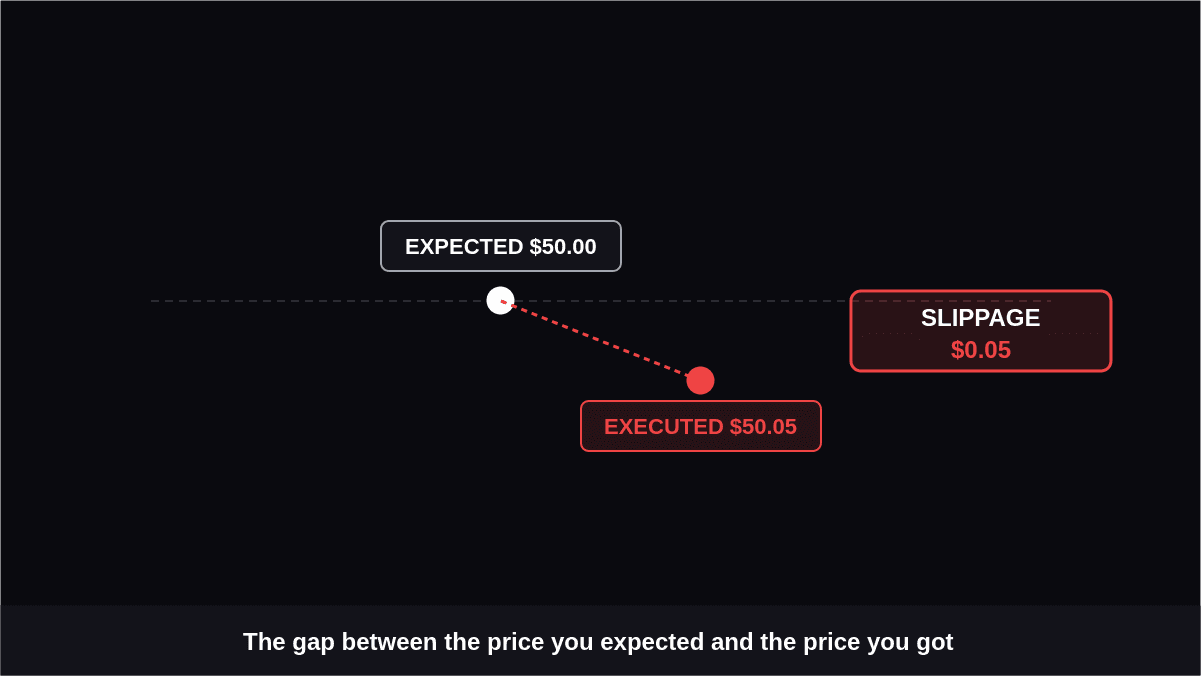
Slippage in trading occurs when an order is executed at a different price than the one a trader expected. It can happen when markets move quickly, available liquidity is limited, or there are not enough orders at the requested price. Even a small difference between the expected and executed price can affect a trade's risk and return, especially for active traders placing frequent orders.

September 27, 2026
Read more
Divergence Indicator: How to Identify Potential Market Reversals
Trading

Divergence Indicator: How to Identify Potential Market Reversals

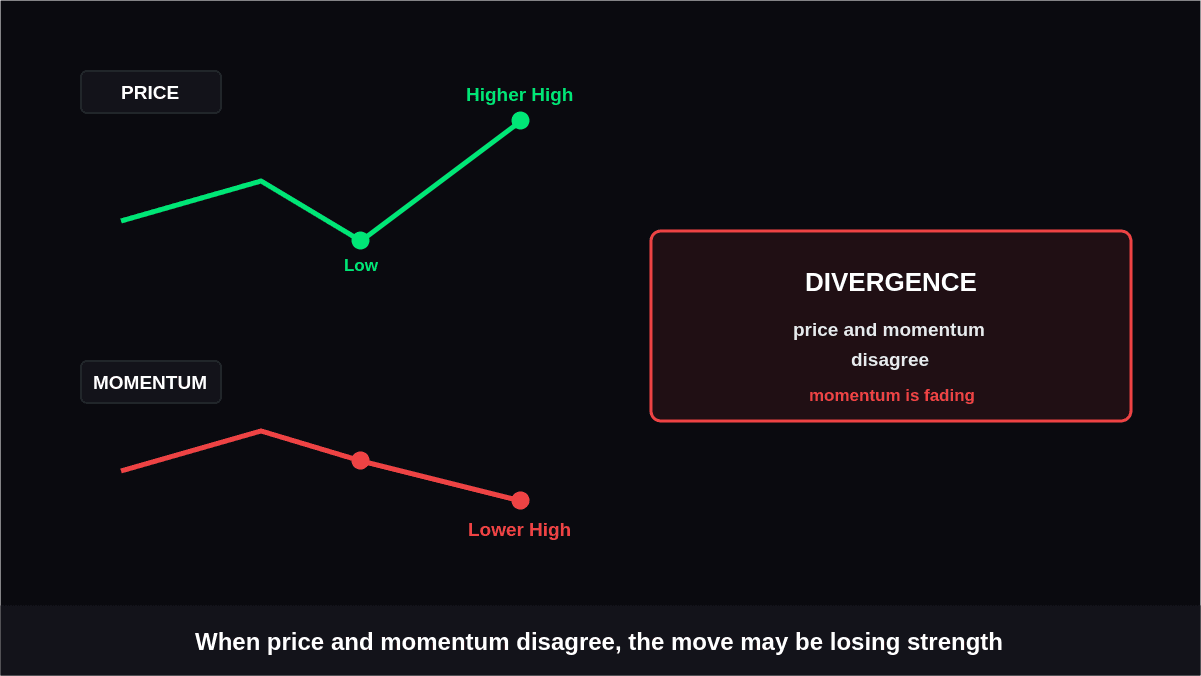
Divergence indicator is used by traders as a tool which helps them to evaluate the relation between price and momentum in order to discover scenarios where the market is becoming weaker. Unlike trend following, divergence trading uses both price action and momentum to see the contradiction between them.

September 27, 2026
Read more
Use AI Trading Strategy Builder to Build Smarter Strategies
Trading

Use AI Trading Strategy Builder to Build Smarter Strategies

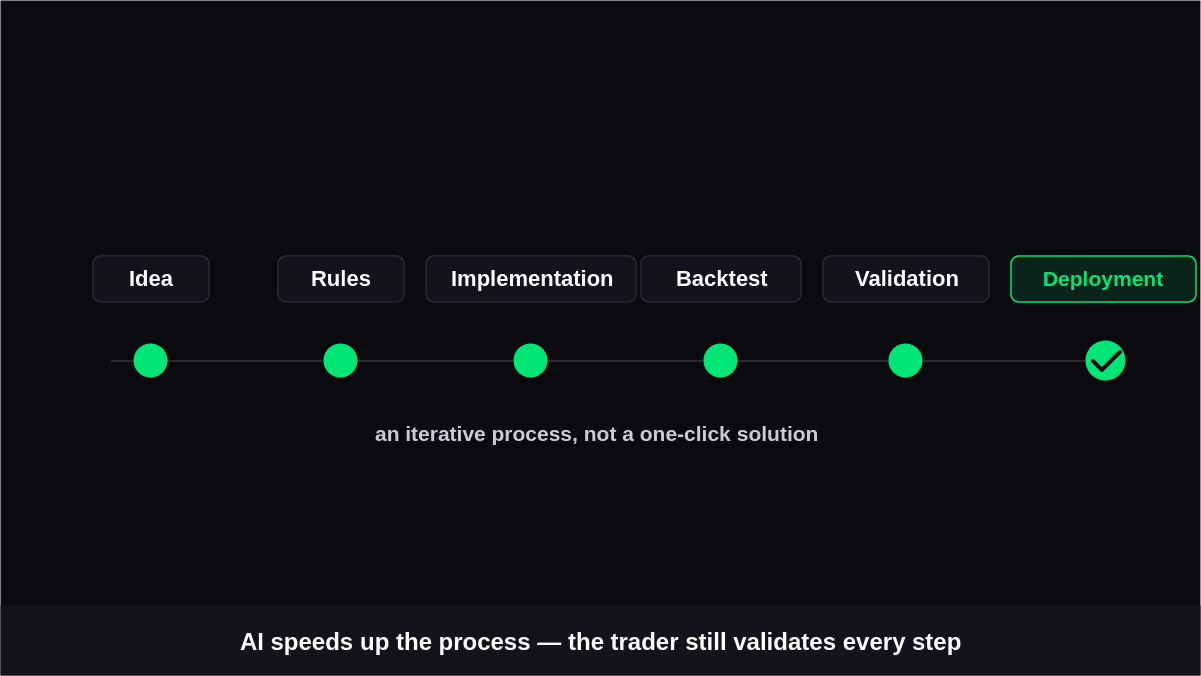
AI trading strategy builder assists traders in converting trading market theories or ideas into practical and testable trading strategies. This is achieved by using AI to automate the process of creating conditions and not having to write codes from scratch for every signal entry, exit, indicators, and risks involved.

September 27, 2026
Read more
What Is a Trading Plan and How Do You Build One?
Trading

What Is a Trading Plan and How Do You Build One?

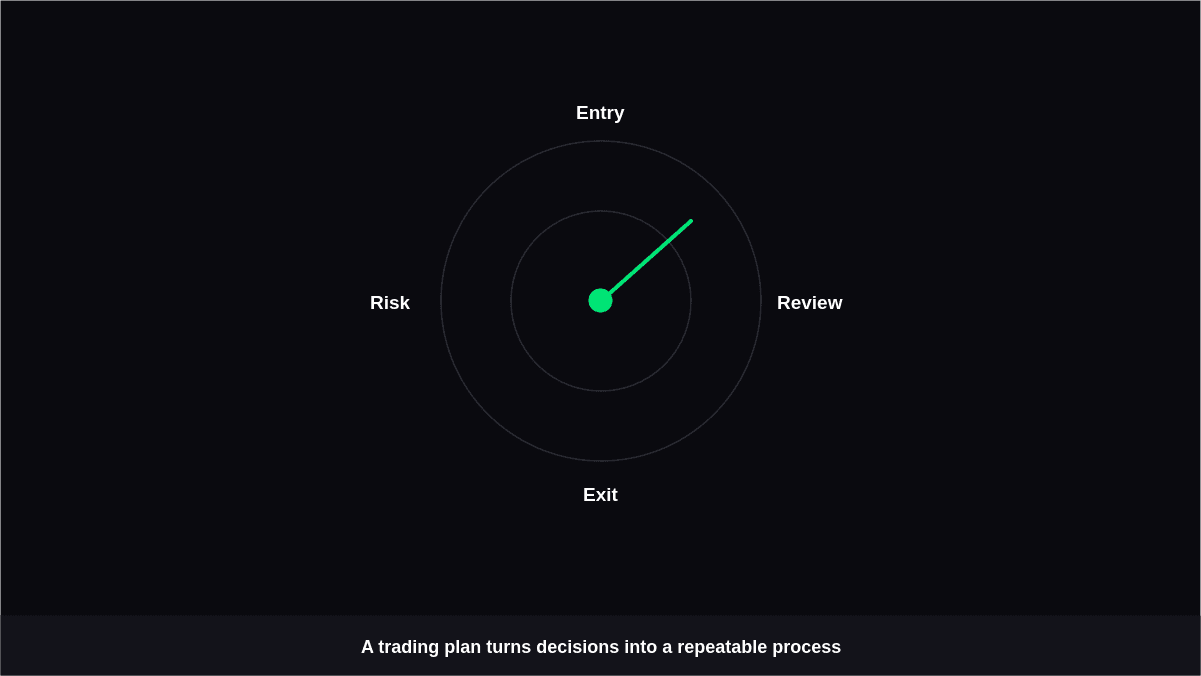
A Trading Plan is a written framework that defines how you will approach the market before placing a trade. It can outline your preferred markets, setups, entry conditions, risk limits, position management, and rules for reviewing performance. Instead of making decisions from scratch during every market move, a plan gives you a consistent process to follow. This does not guarantee profitable trades, but it can make your decisions more structured and measurable, including how you define

September 26, 2026
Read more
Gradient Boosting for Financial Prediction
Trading

Gradient Boosting for Financial Prediction

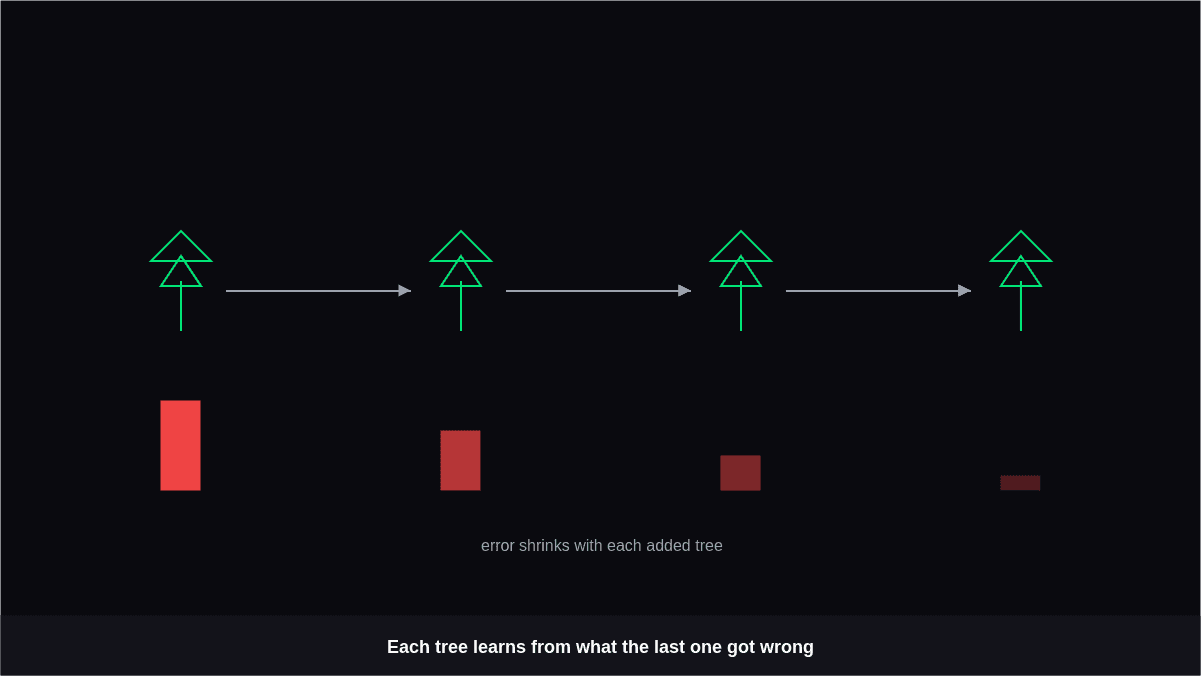
Financial Prediction involves estimating future market or financial outcomes from historical and current data. Machine learning methods can help identify relationships across large datasets, and Gradient Boosting in Finance is one approach used for building predictive models. Instead of relying on a single decision tree, gradient boosting combines many sequential trees, with each new tree attempting to improve the weaknesses of the previous ones. This makes the method useful for structured financial datasets containing price, volume, fundamental, or economic variables.

September 26, 2026
Read more
How to Evaluate Signals Directly on a Trading Chart
Trading

How to Evaluate Signals Directly on a Trading Chart

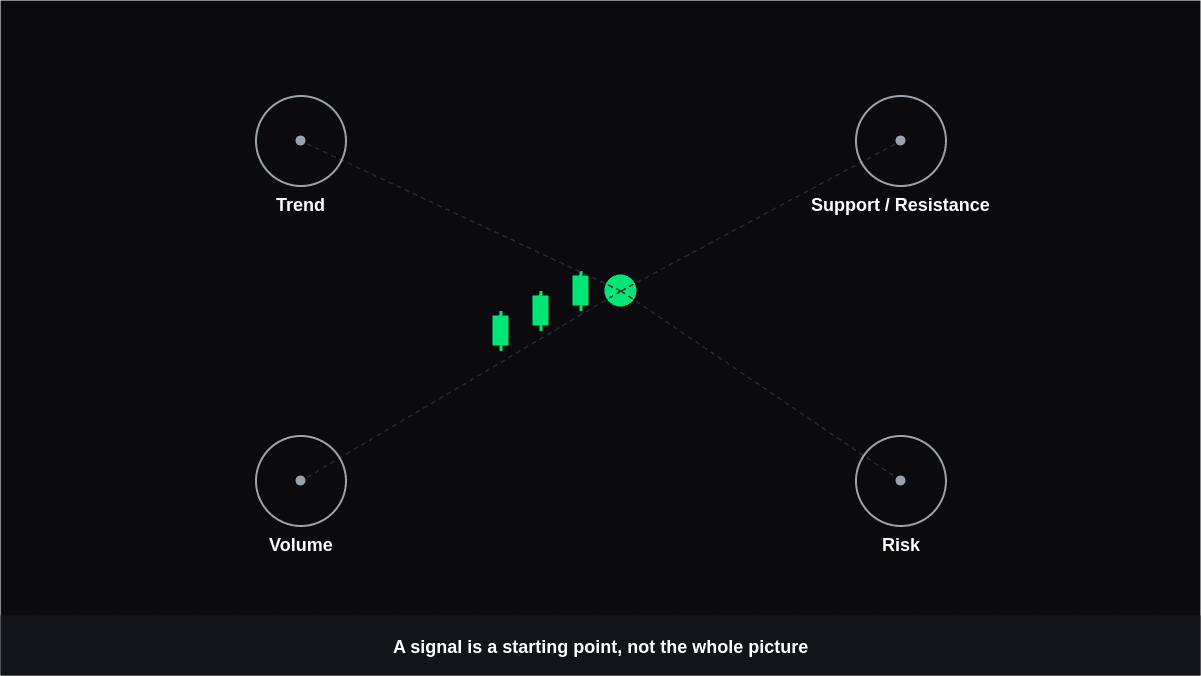
Traders often see a buy or sell signal on a chart and immediately focus on whether the setup could produce a profitable trade. However, a signal by itself does not explain the broader market conditions surrounding it. Learning how to evaluate signals directly on a trading chart can help traders examine the setup, confirm supporting evidence, and recognize situations where a signal may lack sufficient context.

September 25, 2026
Read more